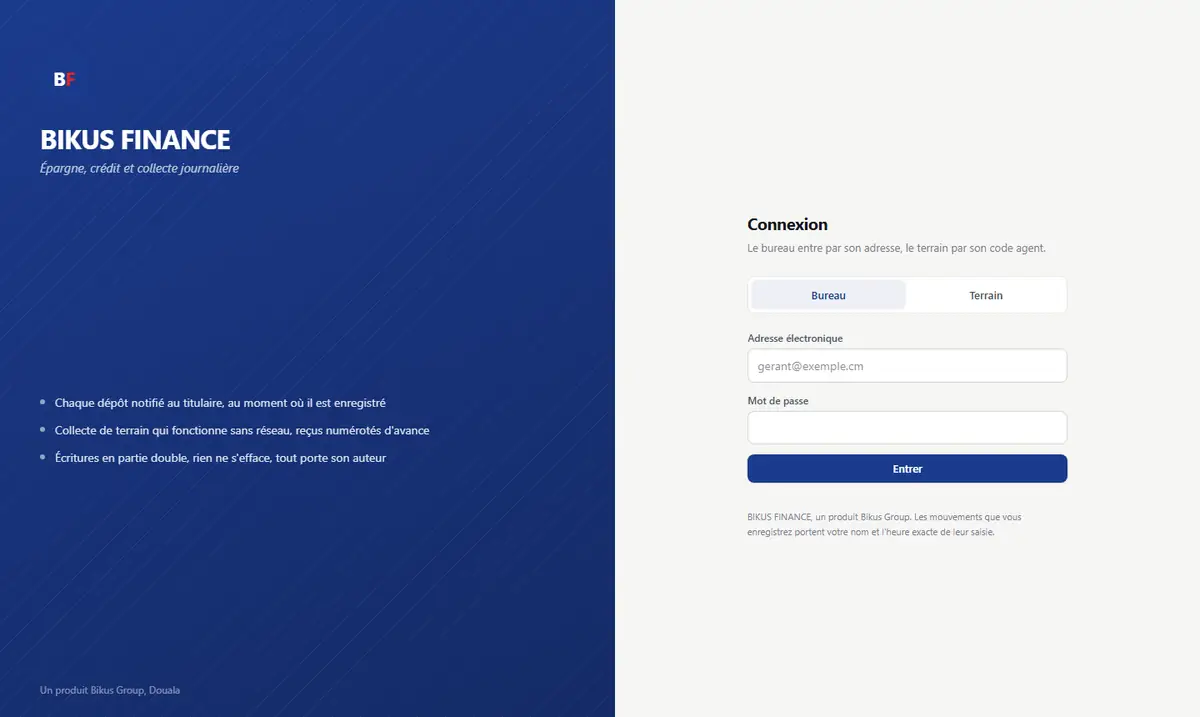
BIKUS FINANCE
Management software for microfinance institutions and cooperatives: daily field collection, savings, loans and double-entry bookkeeping, white-labelled.
- Next.js
- PostgreSQL
- White label
We start from how your company really works, find where time and money leak, then put connected tools in place that your teams actually adopt.
What changes
Today
With Bikus Group
What we deliver
Interviews with your teams, a map of how information flows, and a figure on the time being lost.
Projects ranked by gain and effort, each with a budget and a timeline.
Off-the-shelf software, a Bikus product or custom development: we recommend whatever costs least over time.
Installation, configuration, import of your existing files and connections between tools.
Role-based sessions and short guides, so the tool gets used from week one.
Related projects

Management software for microfinance institutions and cooperatives: daily field collection, savings, loans and double-entry bookkeeping, white-labelled.

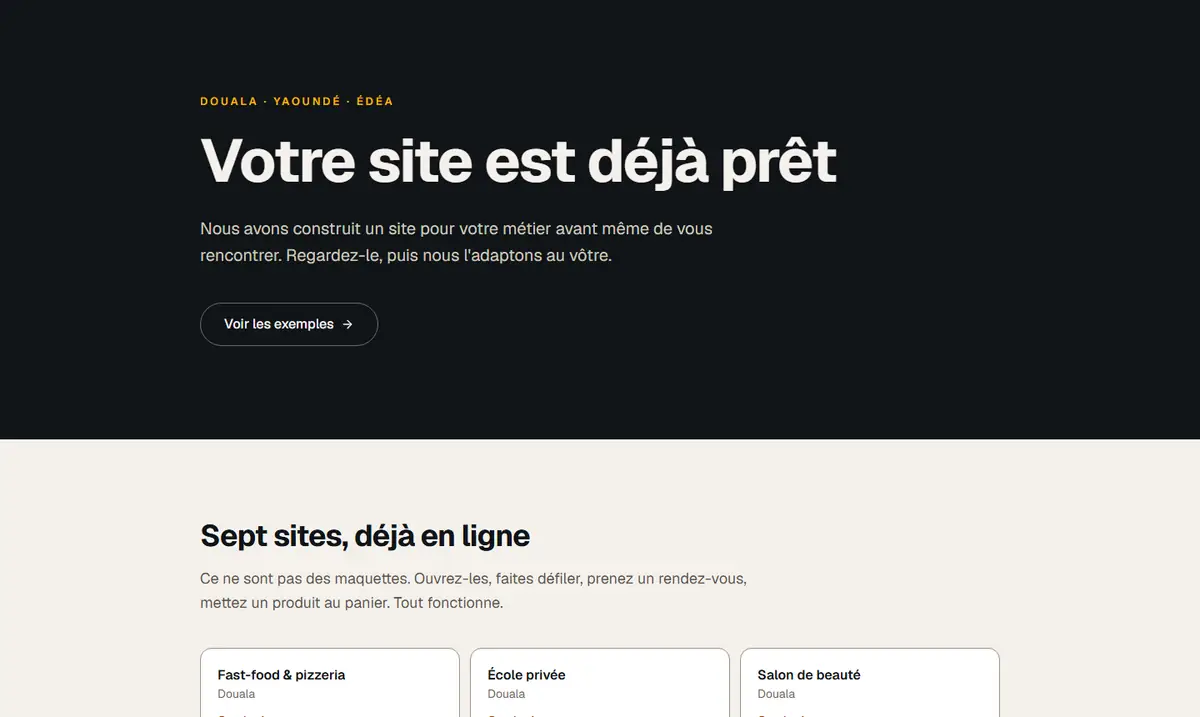
Ready-made websites for each trade, whose forms feed a column-based CRM, with an email and SMS alert for every new enquiry.

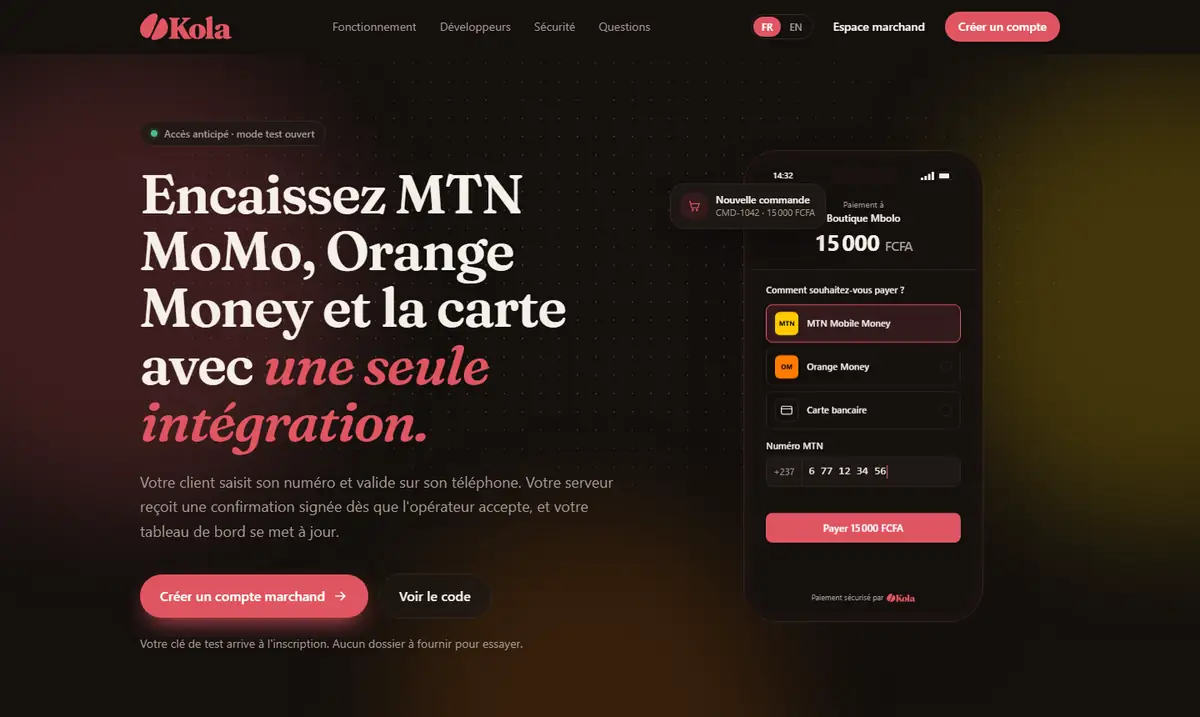
Payment aggregator for Cameroon and the CEMAC zone. One integration to collect MTN Mobile Money, Orange Money and card payments, with signed notifications and a merchant console.
Approach
We look at how your company works today and put a figure on what the lost time is costing you.
Clickable mock-ups and a delivery plan, signed off with you before a single line of code.
Usable releases at every step, tested by your teams on their real cases.
Training, maintenance and new features: we stay with you after launch.
FAQ
How much does it cost?
Every project gets a detailed quote broken into phases, after a first conversation about your needs. You know what gets delivered at each step before you commit.
Request a quoteWith the audit. It shows where the most expensive losses are, and that is where we begin. Early gains often pay for the next projects.
No. We keep what works and connect the tools together. We only replace software when keeping it costs more than changing it.
It's the most common situation. The tools are designed to be simple, and training is part of the project, just like the software.
It depends on how many projects you take on. The audit produces a costed roadmap, then you decide one project at a time.
Going further
Thirty minutes to understand what's at stake for you, and a concrete first take on what could be improved in your company.